

درباره این کتاب
عنوان اصلی:
The Classic of Changes: A New Translation of the I Ching as Interpreted by Wang Bi(226–249 CE)
کلاسیک تغییرات: ترجمهای تازه از ای جینگ با تفسیر وانگ بی
وانگ بی (۲۲۶–۲۴۹ م.) با وجود عمر کوتاه خود (حدود ۲۳-۲۴ سال)، یکی از اثرگذارترین متفکران تاریخ چین به شمار میآید. او از برجستهترین نمایندگان جریان فکری شوانشوئه («حکمت رازآمیز» یا «فلسفهی ژرف») بود؛ جریانی که در پی بازخوانی میراث کنفوسیوسی و دائویی در قالبی فلسفی و متافیزیکی برآمد. شرحهای او بر دائو ده جینگ و ای جینگ از تأثیرگذارترین آثار تفسیری در سراسر سنت فکری چین به شمار میروند و برای نزدیک به هزار سال تنها مرجع معتبر مطالعهی این دو متن بودهاند.
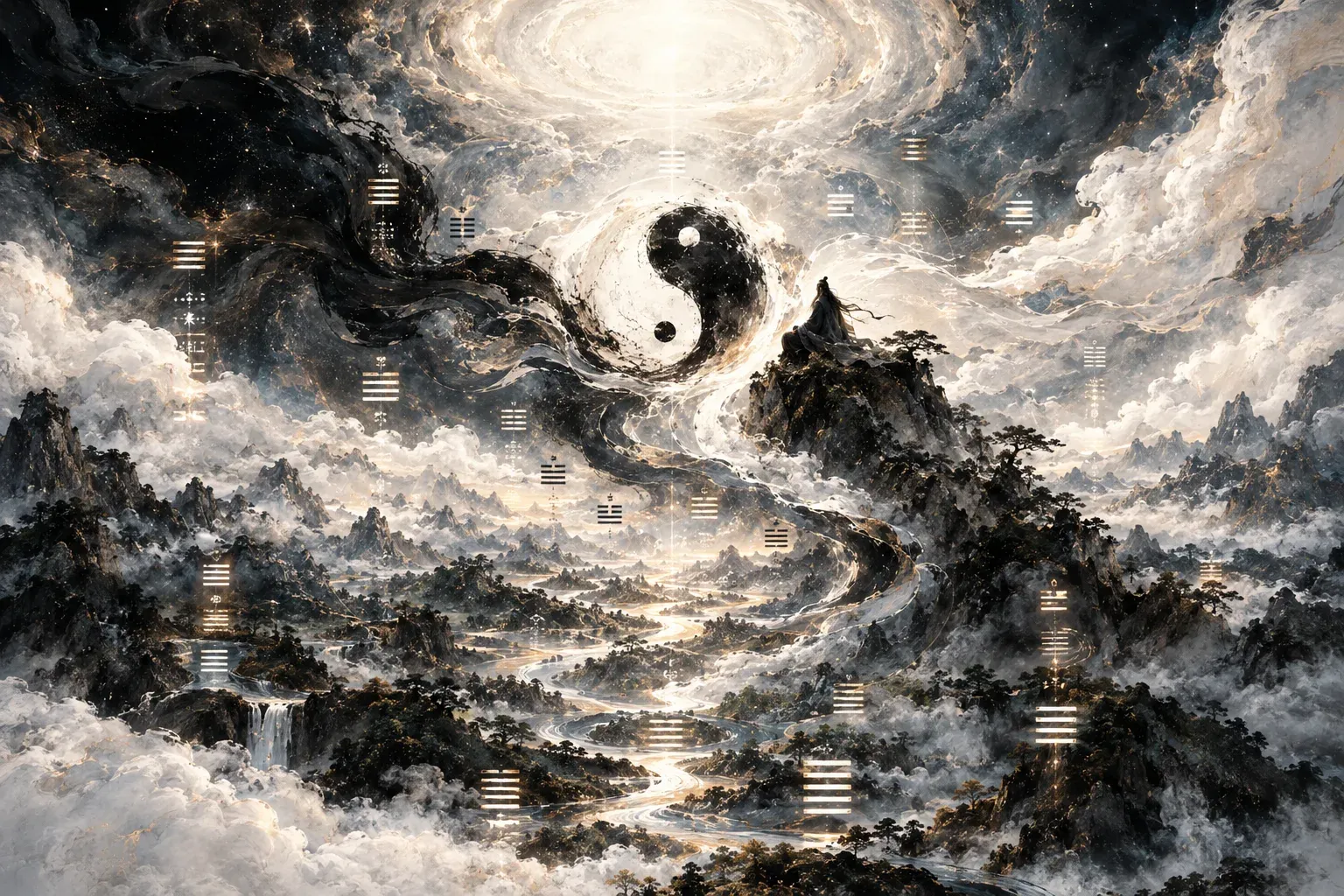
در مرکز اندیشهی وانگ بی مفهوم وو (無، نیستی، بیتعینی یا غیب مطلق) قرار دارد؛ اصلی که از نظر او سرچشمه و بنیاد همهی پدیدههای متعین است. او استدلال میکند که کثرت موجودات و دگرگونیهای جهان تنها بر پایهی امری نامتعین و فراتر از صورتها (بسیط محض، صمد، احد، برهمن) امکان ظهور مییابند. از این رو، ششخطیها و نمادهای ای جینگ در نظر او صرفاً ابزار پیشگویی نیستند، بلکه تجلیات گوناگون یک اصل بنیادین و یگانهاند که در پس همهی تحولات جهان حضور دارد.
تفسیر وانگ بی نقطهی عطفی در تاریخ ای جینگ به شمار میرود، زیرا پس از سدهها توجه را از کاربردهای پیشگویانهی کتاب به سوی معانی حقیقی و ساختار فلسفی و متافیزیکی آن معطوف کرد. نفوذ این خوانش چنان گسترده بود که نهتنها بر سنتهای بعدی کنفوسیوسی و دائویی، بلکه بر شکلگیری زبان فلسفی بودیسم در چین نیز تأثیر عمیقی گذاشت. از این رو، شرح او بر ای جینگ را میتوان یکی از مهمترین و ماندگارترین تفسیرهای فلسفی این اثر در سراسر تاریخ شرق آسیا دانست.
شش خطی 34
قدرت عظیم (Da Zhuang)
اسامی و مفاهیم دیگر: افرادی با اختیارات بزرگ، بلوغ بزرگ، نیروی جمع شده، قدرت زورمندان، قدرت عادلانه
Sequence:
Things cannot be in withdrawal forever. This is why Dun [Withdrawal, Hexagram 33] is followed by Dazhuang [Great Strength].
THE HEXAGRAMS IN IRREGULAR ORDER
If it is Dazhuang [Great Strength], it means “a halt,” but if it is Dun [Withdrawal, Hexagram 33], it means “withdrawal.”
سنجش:
تفسیر کنفوسیوس
Strength is the result of action taken by the hard and strong. “Great Strength is such that it is fitting to practice constancy” means that the great behave with rectitude. In such rectitude and greatness the innate tendencies of Heaven and Earth can be seen. { W.B: “The innate tendencies of Heaven and Earth” can be characterized in no other terms than “rectitude and greatness.” In such all-embracing rectitude and absolute greatness “the innate tendencies of Heaven and Earth can be seen.”}
تصویر:
In the same way, the noble man will not tread any course that is not commensurate with decorum. { W.B: To be strong but violate decorum would result in misfortune, and, with misfortune, strength would be lost. Thus the noble man with his great strength remains obedient to the demands of decorum.3}
خط اول:
خط دوم:
خط سوم:
خط چهارم:
خط پنجم:
خط ششم:
1. This and all subsequent text set off in this manner is commentary by Wang Bi. Wang also discusses this hexagram in section seven of his General Remarks.
2. The lower trigram Qian (Pure Yang) is Heaven, and the upper trigram Zhen (Quake) is associated with Thunder.
3. Kong Yingda's comment helps to explain the connection between thunder and the proper behavior here for the noble man: "When one's power is at its peak, it tends to produce arrogance and high-handed behavior. This is why at a time of Great Strength one truly must take care not to 'tread any course that is not commensurate with decorum,' Thunder in Heaven, of course, suggests such power." See Zhouyi zhengyi, 4: 9b.
4. See section two of the Commentary on the Appended Phrases, Part Two, and note 21 there.
5. Two words in Third Yang seem problematic: wang (trap) and lei (deprived of power). The wang that Wang Bi glosses as wang (net, trap, to net, entrap, entangle, etc.), "get himself entangled" (luo ji), actually means "negate," "nullify," or simply "not." This is how Cheng Yi and Zhu Xi take it, and their interpretation would read something like: "The noble man considers that it is not so" (i.e., that he is not really strong here or that his strength is nullified by the circumstances). The basic meaning of lei is "worn out," "tired," "weak," "weakened." Wang seems to understand lei in this way in his commentary on First Yin of Gou (Encounter), Hexagram 44. Cheng Yi and Zhu Xi gloss it similarly as leikun (tired out) and kun (tired), respectively, but Kong Yingda glosses it as julei chanrao (ensnared and entangled). See Zhouyi zhezhong, 12: 8b–9a; Zhouyi zhengyi, 4: 10a; and Lou, Wang Bi ji jiaoshi, 2: 389 n. 4, which consists primarily of the views of the Qing era scholar, Jiao Xun (1763–1820).
6. Cf. Hexagram 9, Xiaoxu (Lesser Domestication), Third Yang.
7. Cheng Yi glosses yi (ease) as heyi (with peace and ease), i.e., "accommodatingly": Fifth Yin yields to the four advancing yang lines below with calm and good grace. Zhu Xi glosses yi as rongyi (easily), in the sense that Fifth Yin is lost so suddenly that it happens before it is aware of it. Zhu also thinks that it is possible that yi is written for chang (field), the only difference between the two characters being the additional tu (earth) significant on the left side, and in support of this he cites textual evidence showing that the chang in jiangchang (field boundary) is sometimes written jiangyi. In this sense, Fifth Yang would mean: "This one loses a ram at the field [boundary], but there is no regret." See Zhouyi zhezhong, 5: 21b–22a. Kong Yingda expands upon Wang's interpretation: "Fifth Yin must lose its ram-ness while it is still a time of ease before it is beset with robbers; it must not wait until a time of danger and difficulty when they have already arrived." See Zhouyi zhengyi, 4: 10b.
8. Kong Yingda comments: "If Top Yin is able to endure difficulties and keep his will steadfast so that it does not abandon itself to Third Yang, it will obtain good fortune." See Zhouyi zhengyi, 4: 11a.
شجاعترين مردم، كسى است كه بر هوس خود غلبه کند. امام علی(ع) أشجَعُ النّاسِ مَن غَلَبَ هَواهُ
قدرتمند کسی است که بر خود غلبه کند. ژوانگ زو
گفتارهای شش خطی 34