

درباره این کتاب
عنوان اصلی:
The Classic of Changes: A New Translation of the I Ching as Interpreted by Wang Bi(226–249 CE)
کلاسیک تغییرات: ترجمهای تازه از ای جینگ با تفسیر وانگ بی
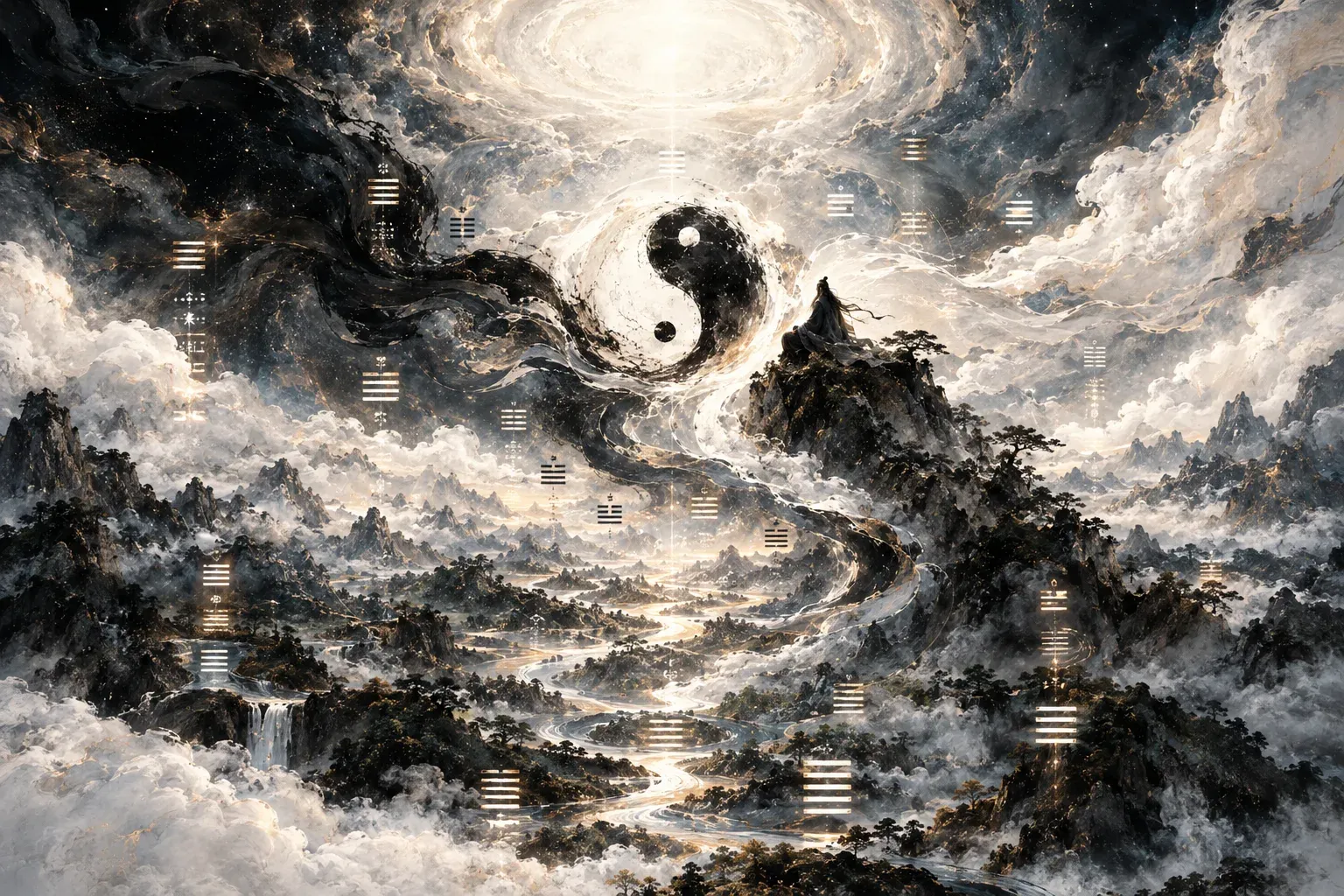
وانگ بی (۲۲۶–۲۴۹ م.) با وجود عمر کوتاه خود (حدود ۲۳-۲۴ سال)، یکی از اثرگذارترین متفکران تاریخ چین به شمار میآید. او از برجستهترین نمایندگان جریان فکری شوانشوئه («حکمت رازآمیز» یا «فلسفهی ژرف») بود؛ جریانی که در پی بازخوانی میراث کنفوسیوسی و دائویی در قالبی فلسفی و متافیزیکی برآمد. شرحهای او بر دائو ده جینگ و ای جینگ از تأثیرگذارترین آثار تفسیری در سراسر سنت فکری چین به شمار میروند و برای نزدیک به هزار سال تنها مرجع معتبر مطالعهی این دو متن بودهاند.
در مرکز اندیشهی وانگ بی مفهوم وو (無، نیستی، بیتعینی یا غیب مطلق) قرار دارد؛ اصلی که از نظر او سرچشمه و بنیاد همهی پدیدههای متعین است. او استدلال میکند که کثرت موجودات و دگرگونیهای جهان تنها بر پایهی امری نامتعین و فراتر از صورتها (بسیط محض، صمد، احد، برهمن) امکان ظهور مییابند. از این رو، ششخطیها و نمادهای ای جینگ در نظر او صرفاً ابزار پیشگویی نیستند، بلکه تجلیات گوناگون یک اصل بنیادین و یگانهاند که در پس همهی تحولات جهان حضور دارد.
تفسیر وانگ بی نقطهی عطفی در تاریخ ای جینگ به شمار میرود، زیرا پس از سدهها توجه را از کاربردهای پیشگویانهی کتاب به سوی معانی حقیقی و ساختار فلسفی و متافیزیکی آن معطوف کرد. نفوذ این خوانش چنان گسترده بود که نهتنها بر سنتهای بعدی کنفوسیوسی و دائویی، بلکه بر شکلگیری زبان فلسفی بودیسم در چین نیز تأثیر عمیقی گذاشت. از این رو، شرح او بر ای جینگ را میتوان یکی از مهمترین و ماندگارترین تفسیرهای فلسفی این اثر در سراسر تاریخ شرق آسیا دانست.
شش خطی 11
صلح، هماهنگی، شکوفایی (تای Tai)
اسامی و مفاهیم دیگر: صلح، خوشاقبالی، موفقیت، فراوانی، رفاه و ثروت، تعادل و سنجیدگی، ازدواج مقدس، آرامش و آسایش، ایجاد فراوانی برای همگان، بزرگی و عظمت، صلح و صفا، موافقت زمین و زمان، خوشبختی ، پیوستن و اتحاد فرخنده
Sequence:
It is by this treading that Tai [Peace] occurs. Only then will there be security. This is why Lü [Treading, Hexagram 10] is followed by Tai.
THE HEXAGRAMS IN IRREGULAR ORDER
Tai [Peace, Hexagram 10] and Pi [Obstruction] are opposed in kind.
سنجش:
تفسیر کنفوسیوس
تصویر:
خط اول:
خط دوم:
خط سوم:
[Image Commentary]
“There is no going away that does not involve a return”: this is at the boundary between Heaven and Earth. { W.B: This is the boundary at which Heaven and Earth are about separately to return, each to its proper place.}
خط چهارم:
خط پنجم:
خط ششم:
1. At a time of such fructification, nature is, in effect, out of control, and it requires a true sovereign to bring order to things. Kong Yingda explained Wang’s statement as: “When things lose their proper place and time, then winter is warm, and summer is cold; autumn begets things, and spring puts them to death.” See Zhouyi zhengyi, 2: 21a. This view is based on a belief in the resonance between human rule and the course of nature.
2. This and all subsequent text set off in this manner is commentary by Wang Bi.
3. Cf. Hexagram 12, Pi (Obstruction), First Yin.
4. “Those who wade rivers” seems to refer to those utterly benighted folk beyond the pale of even rudimentary civilization—those who do not even know to straddle a log to cross a river, let alone know about boats.
5. “The bright and great [Dao]” translates guangda. Kong Yingda glosses this expression as guangda zhi dao (the bright and great Dao). See Zhouyi zhengyi, 2: 21b. Note that Wang’s use of guangda here is borrowed from Commentary on the Images for the line.
6. Shang might also mean “assist.” In his Jingyi shuwen (Accounts of what has been heard concerning interpretations of the Classics), the great Qing dynasty philologist Wang Yinzhi (1766–1834) comments on Wang Bi’s gloss: “Wang Bi interprets shang [esteem] as pei [be worthy of], but among ancient exegetical writings there is no evidence for this.” He then goes on to cite the Erya (Elegant and correct writings in familiar terms), a third or second century B.C. lexicographic work, to the effect that shang means you (assist). See Lou, Wang Bi ji jiaoshi, 1: 279 n. 12. In the light of this interpretation, Second Yang of Tai should end with “he can assist the exercise of centrality.” Also, if we interpret shang in its usual sense of “esteem,” it would end with “he obtains esteem for his exercise of centrality.”
7. That is, when Third Yang moves “back” to the fourth position, it will become a Fourth Yang, and when Fourth Yin moves “back” to the third position, it will become a Third Yin. Likewise, all the yang lines in the lower trigram so change to yin lines, and all the yin lines of the upper trigram so change to yang lines, thus Tai becomes Pi (Obstruction), Hexagram 12.
8. “Fluttering” translates pianpian, which Lu Deming (556–627 A.D.) glosses as qing ju mao (an appearance of lightly fluttering on the air). See Zhouyi yinyi (Pronunciation and meaning of terms in the Changes of the Zhou), included in his Jingdian shiwen 2:71; see also Lou, Wang Bi ji jiaoshi, 1: 280 n. 17. From the way Wang interprets the context, it appears that pianpian here means “flutter down.”
9. Traditionally, Sovereign Yi is identified as the father of Zhou, the last of the Shang kings; his traditional dates are 1191–1155 B.C. This identification was first proposed by Yu Fan (164–233 A.D.); his comments are quoted in the Zhouyi jijie (Collected exegeses on the Changes of the Zhou) of Li Dingzuo (eighth century A.D.), 4: 79, and seem to be based on evidence given in the Zuozhuan (Zuo’s chronicles on the Spring and Autumn Annals), in a passage concerning the ninth year of the reign of Duke Ai (487 B.C.); see Legge, The Chinese Classics, 5: 819. However, “Yi” is included among a number of Shang kings’ names, and it is by no means certain that the Zuozhuan and Yu Fan are correct. There is also controversy over whether it is a daughter or a younger sister who is given in marriage. “Gave in marriage” translates gui, which literally means “[caused to] return.” This involves a “return” to the husband’s family. Note that the phrase “Sovereign Yi gave his younger sister in marriage” also occurs in Hexagram 54, Guimei (Marrying Maiden), Fifth Yin.
هر کسی ظرف هرمسی(نماد کیمیاگری) خودش است. در این ظرف، اجزای مختلف روان فرد که در سراسر دنیای او پراکنده شده باید جمعآوری و به یکدیگر متصل شده و بدین وسیله خلقیاتی جدید ایجاد شود. در آنجا(درون فرد)، اتحاد متضادها که کیمیاگران به آن پیوند(coniunctio) یا ازدواج میگویند باید رخ دهد... (این اتحاد)، به اصطلاح روانشناختی، پیوند متناظر مرد با روح زنانهاش، آنیما، یا زن با همسان مردانهاش، آنیموس است - و پیوند در هر دو مورد، ازدواج درونی و هیروس گاموس را تشکیل میدهد که به وسیلهٔ آن است که فرد باید کامل شود. (ام.ای هاردینگ - انرژی روانی)
گفتارهای شش خطی 11